

Anti-Muslim animus is fueled by a toxic symbiosis that began with Arab leaders
Precis:
To summarize, “The Muslim Brotherhood” began as a vast and varied natural Muslim disposition that defies generalization. Criminalizing it is a stand in for criminalizing any form of Muslim political agency that resists neoliberal hegemony. “The Muslim Brotherhood” has included so many iterations, ideas, individuals, political actors, charity networks, doctors and syndicates, that it defies categorization altogether.
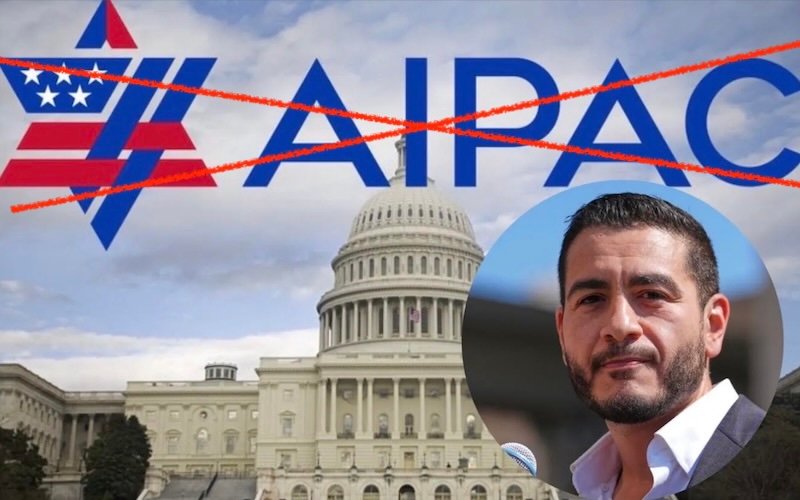
Efforts to ban it from 1948 in Egypt, to 2014 in the UAE and Saudi, and today in America, all point to by-and-large one trigger: the Palestinian struggle for freedom which is both universal and Islamic in essence—making a “free Palestine” the ultimate death knell to this symbiotic relationship.
So next time you hear the Muslim Brotherhood “accusation”, ask yourself what secular tyranny, disproportionate power dynamics and decades of treason and pernicious politics exist behind it.
—
On the night of October 26th, 1954, Gamal Abdel Nasser stood in Alexandria’s Manshiya Square to celebrate the treaty that would end British military occupation. A man named Mahmoud Abdel Latif fired eight shots at him and missed every shot.
Despite the bullets, Nasser kept speaking, and the radio carried his defiance across the Arab world. Within days, the government dissolved the Muslim Brotherhood, and six of its senior leaders were hung in December that same year.
The details of that attempted murder plot remain shrouded in mystery.
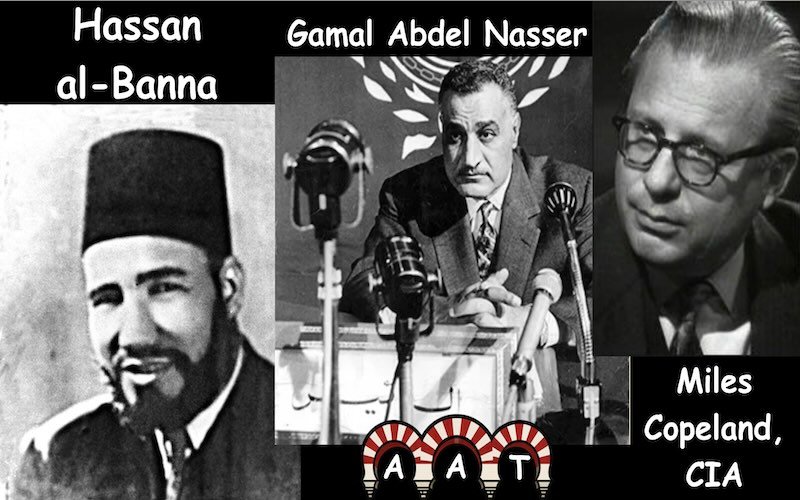
Hasan al-Tohami, an Egyptian intelligence official close to Nasser and Sadat, admitted later in life that he and Nasser had close ties to Cairo-based CIA operative Miles Copeland, and that the Alexandria Manshiya assassination attempt was “suggested” by him to cement the legendary popularity of Nasser.
The story of the Muslim Brotherhood is a much more complex story than the one told by the security state apparatus. Rather than an “extremist ideology,” it began as an organic, natural reaction to the cessation of Muslim political sovereignty. It saw itself as a grassroots effort towards the restoration of a unified Muslim consciousness in a brave new secular age, as it was founded only 4 years after the fall of the Ottoman Caliphate in 1928 by Hassan al-Banna in Ismailia, Egypt.
For the three decades that followed, its sharpest public expression was military resistance to foreign colonial occupation. They sent thousands of volunteer fighters in 1948 to fight British and Zionist gangs in Palestine, and landed a blow to British military occupation in the Suez Canal in the 50s…