

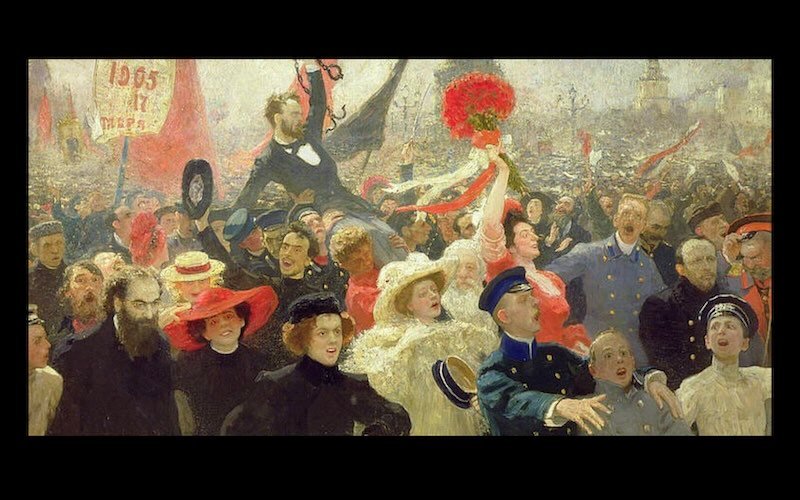
Part 1: The Wretchedness of Poverty Part 2: Poverty and Capitalism Part 3: The Divine Sin of Poverty
Excerpt:
In Islam and especially Sufism, there is a focus on humility and living with little worldly attachments and opulence. Indeed, decadence and ill gained wealth can only obfuscate and veil the true spirit of Being-in-flux, leading to a mistaken notion of the finite being infinite. If there is one thing we’ve made clear so far, however, is that poverty is not a lack-of something but a positive presence and a situated world. Thus while selected absence can allow us to see God clearer, poverty itself is another veil and pernicious form of evil; it is a type of artificial phenomenal world which surrounds the individual on all sides with monstrous and ever growing forms. Anyone who has been impoverished knows; poverty means you do not have the time nor capacity to worry about a “good life,” you can only worry about survival. You can not contemplate God while the neuroses of the mind and body scream louder than that serene voice of divine contemplation. Self serving “crimes” seem more justified; I mean, can we blame those who rob a grocery store for food? Can we blame mothers and fathers who steal baby formula and diapers? Let alone a closeness to God, we can not expect a “good” and “moral” life to be an object of question without first addressing poverty.
First, I want to expand on the notion of an existence which moves towards God. Existence is a constant development of our consciousness of God or total Being. Whatever we do, whatever notions arise in our head, it is all in an attempt to expand from the particular, situated finite to the universal and essential infinite. Even types of nihilism stem from the embrace of epistemic or existential futilities as an absolute essence of life, they just remain unaware of it. But what does it mean to develop our consciousness of Being? There is the ideal notion to it which seems the most obvious from our choice of words; that we must come to know not only the things and movements of life, but the unified essence which underlies all of it; the spirit or “Geist” which continually becomes realized and who we are recipients of. But in the idea of a passive observer lies the one mistake of this understanding, that we somehow lie outside of the world and become conscious of it externally while never truly touching the spirit itself.